In a nutshell
- Making friends while traveling alone becomes much easier when you choose social environments on purpose, such as hostels with common spaces, co-living hubs, walking tours, cooking classes, and small group experiences that create natural conversation starters.
- You do not need to be extroverted to connect with people on the road. Simple context-based questions, open body language, and repeated low-pressure interactions are often enough to build genuine travel friendships, especially for shy or introverted travelers.
- Apps and online communities can speed up connection when used carefully. Platforms like Meetup, Eventbrite, Bumble BFF, and destination groups help you find public meetups, local events, and people with shared interests without relying only on chance encounters.
- Locals can add depth to your trip in ways other travelers cannot. Language exchanges, neighborhood events, restaurant counters, and community-led experiences offer more meaningful cultural insight and often lead to memorable, authentic conversations.
- Safety should stay at the center of every new connection. Meet in public, protect personal details, trust your instincts, and keep first meetups simple so you can stay open to people without compromising your comfort or security.
Solo travel has a funny reputation. Some people imagine cinematic freedom, spontaneous sunsets, and mysterious train rides. Others picture eating fries alone while pretending to text someone important. The truth is usually somewhere in the middle. The good news is that making friends while traveling alone is absolutely possible, even if you are shy, introverted, or still recovering from the emotional damage of introducing yourself in group settings.
You do not need to become the loudest person in the hostel kitchen or suddenly transform into a social butterfly wearing elephant pants. Meeting people on the road is less about charisma and more about choosing the right environments, staying open, and knowing how to turn small moments into real connection.
Why solo travel can be more social than you expect
Traveling alone often makes you more approachable because you are not enclosed in your usual social bubble. Without familiar companions, you notice more, speak more easily to others, and become available for spontaneous interactions that rarely happen when you are traveling with friends or family.
When you travel with people you already know, your attention naturally stays inside the group. When you travel solo, that invisible wall disappears. Other travelers are more likely to talk to you, locals often engage more naturally, and you are freer to say yes to a last-minute coffee, tour, or beach plan.
That is the magic of solo travel: you may leave home alone, but you rarely stay that way for long unless you want to. Even a short chat at breakfast can turn into a museum buddy, a sunset companion, or someone who knows where to find the best dumplings in town. Frankly, that is a better use of fate than making you miss your bus.
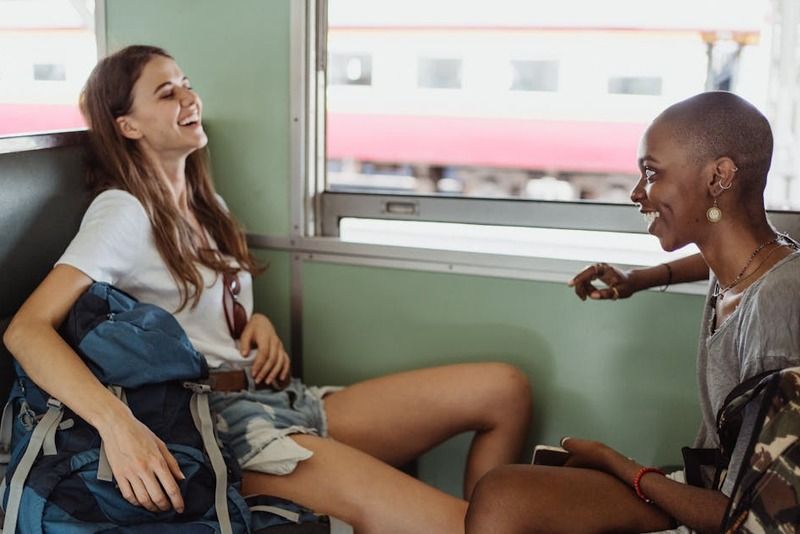
Choose places and experiences that make connection easier
The easiest way to meet people while traveling is to place yourself in social settings designed for interaction. Accommodation, transportation, and activities all shape how many opportunities you will have to connect with others during your trip.
If your goal is to be social, do not build an itinerary that locks you inside private spaces all day. A beautiful apartment thirty minutes from everything may be peaceful, but it is not exactly a friendship factory.
Best accommodation options for meeting people
Social accommodation creates low-pressure moments to start talking. Shared spaces, common meals, and organized events give you natural conversation starters without forcing awkward introductions or making you feel like you are speed dating in hiking boots.
- Hostels: Great for common rooms, walking tours, pub nights, and shared kitchens.
- Boutique hostels with private rooms: Ideal if you want comfort and community.
- Co-living spaces: Perfect for digital nomads and longer stays.
- Guesthouses and B&Bs: Smaller, often warmer, and easier for genuine chats.
Before booking, read reviews carefully. Look for phrases like “easy to meet people,” “friendly staff,” “group activities,” or “great common area.” If every review focuses only on silent sleep quality, congratulations, you found a monastery.
Activities that naturally spark conversation
Shared experiences make socializing easier because they remove the pressure of inventing topics from scratch. When everyone is doing the same thing, the interaction feels more natural and less forced from the beginning.
- Walking tours to meet other curious travelers on day one.
- Cooking classes where chopping onions together somehow becomes bonding.
- Day trips and small group excursions with built-in downtime for conversation.
- Language exchanges for meeting locals and expats.
- Workshops like pottery, dance, photography, or surf lessons.
The trick is simple: pick activities you would genuinely enjoy even if you met no one. That way, anything social becomes a bonus instead of a burden.
How to start conversations without sounding weird
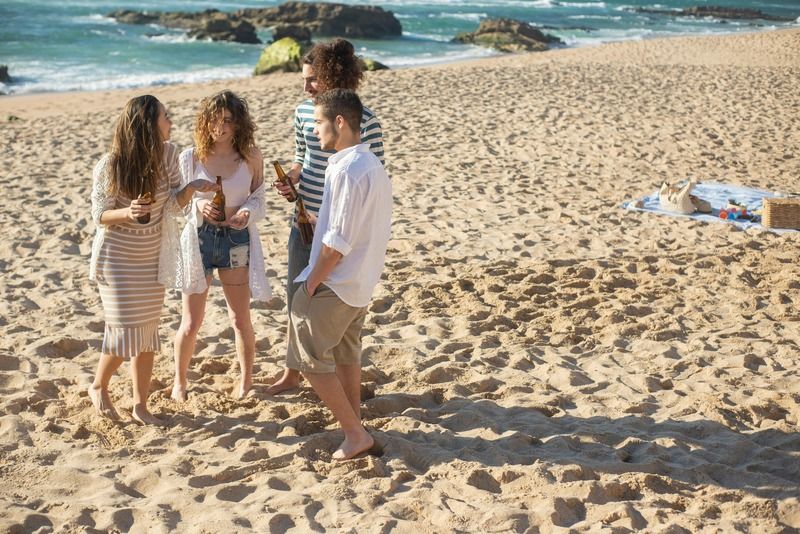
Good conversations while traveling usually begin with something simple, relevant, and easy to answer. You do not need a clever line. You just need a natural opening that fits the moment and leaves room for the other person to respond.
This is excellent news because most people do not have a polished “meeting strangers abroad” script. They are improvising too. You are all just humans in sneakers trying to locate snacks and meaning.
Easy openers that actually work
Context-based questions feel comfortable because they relate to what is happening around you. They are practical, low-stakes, and invite an answer that can naturally lead to more conversation if the vibe is right.
- “Have you done this tour before?”
- “Do you know if this place is good?”
- “Where are you headed next?”
- “What have you liked most here so far?”
- “Would you mind watching my bag for a second?”
Once the conversation starts, keep it balanced. Ask follow-up questions, share a little about yourself, and avoid turning the interaction into a dramatic monologue about your entire life journey since age eleven. Unless they ask. Even then, maybe edit.
Body language matters more than perfect words
Approachability often comes from nonverbal cues before any words are exchanged. A relaxed posture, eye contact, and an occasional smile make it much easier for others to talk to you and help you signal openness without saying anything.
Simple things help:
- Put your phone away sometimes.
- Sit in communal areas instead of isolated corners.
- Choose the bar, counter, or shared table over the hidden two-top in the back.
- Look up and around instead of disappearing into your screen.
Many solo travelers look unavailable because they are nervous, not because they want to be left alone. A small shift in body language can change that instantly.
Use apps and communities to meet people safely
Digital tools can make solo travel more social by helping you find events, interest-based groups, and people already in your destination. They work best when used to arrange public, low-pressure meetups with clear boundaries.
You do not need to rely only on chance encounters. A little digital help can go a long way, especially in big cities where social opportunities are everywhere but hidden behind six apps and one WhatsApp group.
| Platform | Best for | What to expect |
|---|---|---|
| Meetup | Events and hobby groups | Language exchanges, hikes, talks, coworking meetups |
| Eventbrite | Local events | Workshops, classes, networking nights, live events |
| Bumble BFF | One-to-one friendships | Casual coffee, city walks, meals, shared interests |
| Facebook groups | Destination communities | Travel meetups, expat groups, women traveler groups |
When using apps, suggest a daytime coffee, a public market, or a popular bar. Keep the first meetup simple. This is not an audition for lifelong friendship. It is just a low-stakes chance to see whether you click.
Making friends with locals, not just other travelers
Connecting with locals can enrich a trip in ways other traveler interactions cannot. Locals offer cultural insight, better recommendations, and a different rhythm of conversation that helps you experience a place beyond its tourist surface.
Other travelers are easy to relate to because they are also trying to decode the bus system and pretending not to be tired. Locals, though, can give you a much deeper connection to a destination.
Good ways to meet locals include:
- Taking community-based tours
- Joining language exchanges
- Sitting at restaurant counters and chatting with staff
- Attending neighborhood events, markets, or live music nights
- Booking classes led by residents
The key is respect. Be curious without being intrusive, and remember that genuine connection matters more than collecting “authentic local experiences” like souvenirs.
Safety rules that should always stay with you
Meeting people while traveling solo should feel exciting, not reckless. The safest approach is to stay social in public settings, trust your instincts, and avoid sharing sensitive personal details too quickly with people you have just met.
This part is not glamorous, but it matters. New friends are lovely. Mystery is overrated when it involves disappearing into an unmarked car park with someone named “Captain.”
- Meet in public places first.
- Tell someone where you are going.
- Watch your drink and alcohol intake.
- Do not share your exact accommodation details right away.
- Leave if something feels off, even if you cannot explain why.
Being open and being careful are not opposites. The best solo travelers learn to do both at the same time.
If you are shy, introverted, or “bad at small talk”
You do not need an extroverted personality to make friends on the road. Many meaningful travel connections happen quietly, through repeated small interactions, shared activities, and one-on-one conversations rather than loud group settings.
In fact, introverts often do very well with solo travel because they observe carefully and connect deeply. You do not have to work the whole room. You just need one comfortable opening.
Try this softer approach:
- Pick one social activity per day, not five.
- Start with one person, not a whole group.
- Choose structured settings like tours or classes.
- Give yourself permission to leave early.
- Remember that brief connections still count.
Not every conversation must become a friendship, and not every friendship must last forever. Sometimes a two-hour city walk with someone you just met is enough to make a destination feel warmer and less lonely.
When friendship happens naturally
The best travel friendships often come from ordinary moments repeated over time. Seeing the same people at breakfast, on a tour, or in a coworking space creates familiarity that makes deeper connection feel easy and unforced.
So if you meet someone nice, do not overcomplicate it. Suggest something simple:
- “I was thinking of checking out that market later if you want to join.”
- “I’m grabbing dinner after this, want to come?”
- “I might do the sunrise hike tomorrow if you’re interested.”
That is how many travel friendships begin: not with a grand declaration, but with tacos, a map, and mutual confusion.
Travel solo, but not disconnected
Solo travel gives you independence, but it does not require isolation. With the right mindset, social settings, and safety habits, you can meet people naturally and create memorable connections almost anywhere in the world.
If you want the freedom of solo travel with the fun of built-in company, discover WeRoad group trips for your next destination and turn your adventure into a shared experience from day one.
Looking for more inspiration? Discover our guide to the best affordable destinations for solo travelers and start planning a trip that feels big, without stretching your budget.
FAQ
- How to make friends while traveling alone?
-
The easiest way is to stay in social accommodation, join group activities, and start simple conversations based on your surroundings. Walking tours, cooking classes, hostels, and local events all create natural moments to meet people without forcing awkward interactions.
- Is 27 too old to solo travel?
-
No, 27 is absolutely not too old to solo travel. In fact, many people travel solo in their late twenties, thirties, forties, and beyond. You may even find it easier at 27 because you likely have more confidence, better judgment, and a clearer sense of what kind of trip you want.
- What is the most forgotten item when traveling?
-
Chargers, adapters, toiletries, and basic medication are among the most commonly forgotten travel items. A universal adapter is especially easy to forget and deeply annoying to replace at airport prices. A small pre-trip checklist can save you money and prevent mini meltdowns.
- Why is Gen Z obsessed with travel?
-
Many Gen Z travelers see travel as a way to gain experiences, personal growth, and social connection rather than just ticking off landmarks. Flexible work, digital communities, and a strong interest in identity, lifestyle, and global culture have all made travel a bigger priority for this generation.
- Can introverts enjoy solo travel and still meet people?
-
Yes. Introverts often thrive in solo travel because they can control their social energy. Choosing smaller group activities, slower itineraries, and one-on-one interactions makes it possible to meet people without feeling overwhelmed.
- How do I stay safe when meeting new people abroad?
-
Meet in public places, tell someone your plans, avoid oversharing personal information, and leave any situation that feels off. Staying social and staying safe can absolutely go hand in hand when you keep clear boundaries.